
Just like them
we are what we worship

The psalmist in Psalm 115 writes about the futility of idols in contrast to a God who is living and active. “Their idols are merely things of silver and gold, shaped by human hands,” he writes. “They have mouths but cannot speak, and eyes but cannot see. They have ears but cannot hear, and noses but cannot smell. They have hands but cannot feel, and feet but cannot walk, and throats but cannot make a sound.”
For the past several weeks, I’ve been mulling over the weight of the next lines:
“And those who make idols are just like them,
as are all who trust in them.”
In modern America, we don’t see many idols of silver and gold that people venerate or hold up as having divine power. The idols that we see in the ancient Scriptures do not sound familiar to us, but the hold that those idols had over their adherents certainly does.
In modern America we see dollar signs and bank accounts, trophies and job titles, political power and fame. These idols—often digital and intangible—cannot see or smell or feel, but they hold sway over the public. They are lifeless and they bring death.
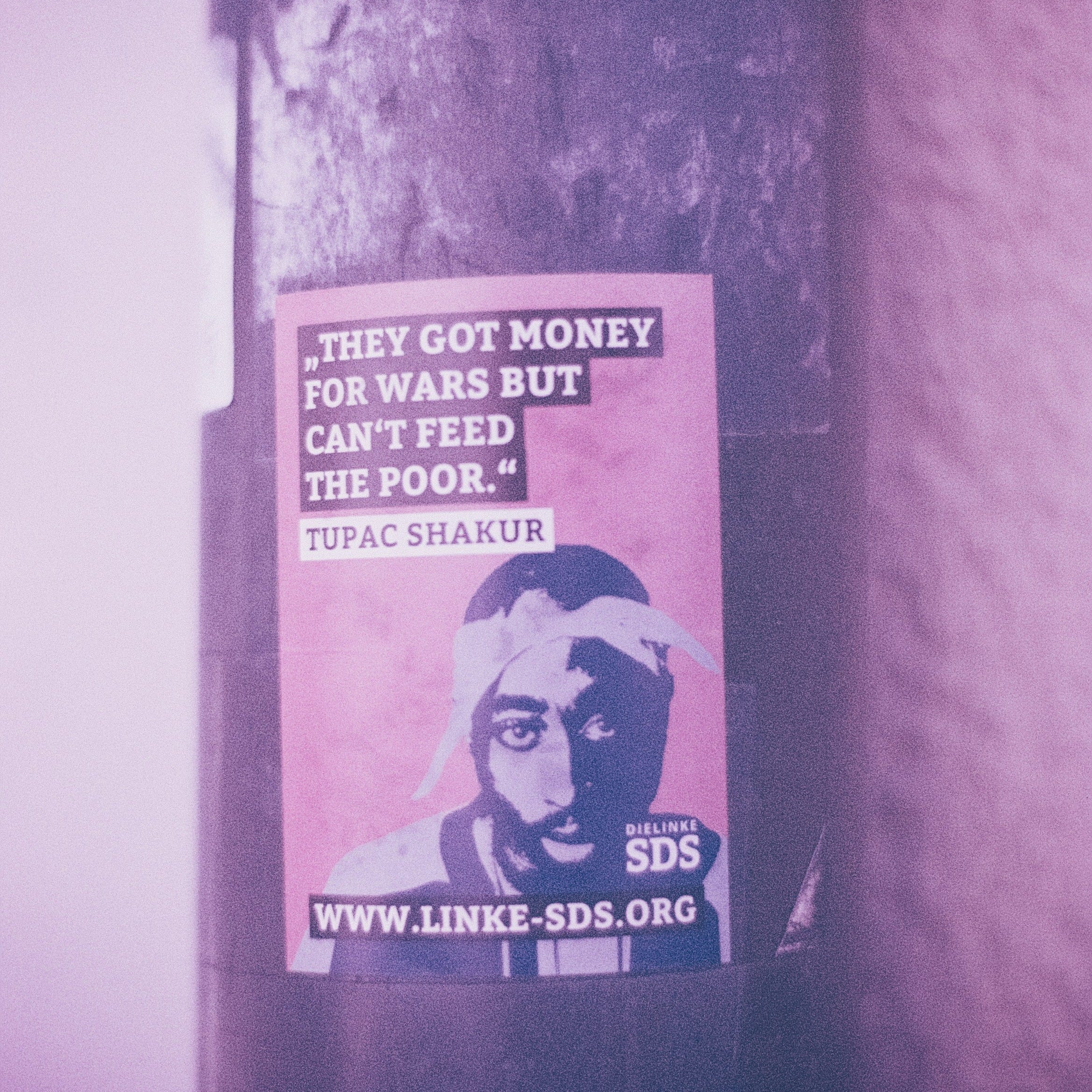
In modern America we also have idols who actually do speak, see, and walk. Their wealth, power, and fame fools our imaginations, convincing us that their value is greater than ours. Millions of pages of digital files are circulating the internet as we speak, bearing witness to the death and destruction that these power brokers have spread in the world. And yet, their worshippers continue to fawn.
Those who make them and trust in them are just like them.
Lifeless.
Cold.
Harmful.
In Proverbs 1, a similar warning is issued about following the path of “sinners” who lure people toward violence and greed.
My child, don’t go along with them!
Stay far away from their paths.
They rush to commit evil deeds.
They hurry to commit murder.
If a bird sees a trap being set,
it knows to stay away.
But these people set an ambush for themselves;
they are trying to get themselves killed.
Such is the fate of all who are greedy for money;
it robs them of life.
Proverbs 1:15-19
Greed is the root
Matt and I are participating in a book club about Malcolm Foley’s “The Anti-Greed Gospel.” This book convincingly argues that greed is the root and lifeblood of racism. From race-based slavery to systemic lynchings in the 20th century, many people justified acts of race-based violence and depravity because it was “good for the economy.” Bodies were treated like merchandise and lives were stolen based on the misplaced sense of entitlement of the power holders.
Today we see similar patterns as an inhumane incarceration system crushes and destroys lives while lining the pockets of private prison CEOs and shareholders. The same demographic is also enriched by the ever-growing immigration detention system. My friends and former colleagues at We Choose Welcome shared a brilliant post earlier this week breaking down who benefits from rising ICE detentions. Spoiler alert: it’s not us.1 New facilities are cropping up across the country and thousands of immigrants (most of whom have no criminal charges) are locked away for profit.
America’s idols today are money, entertainment, and comfort, and the church is not immune to their allure. We are lulled into complacency by appeals to the economy and the “law and order” that makes us feel safe.
We may not be the ones cashing in the royalty checks, but are we looking away in order to feel more comfortable? How are we voting? Where are we spending our money? Are we investing our time and resources into building up our community or our 401k?
A ray of hope
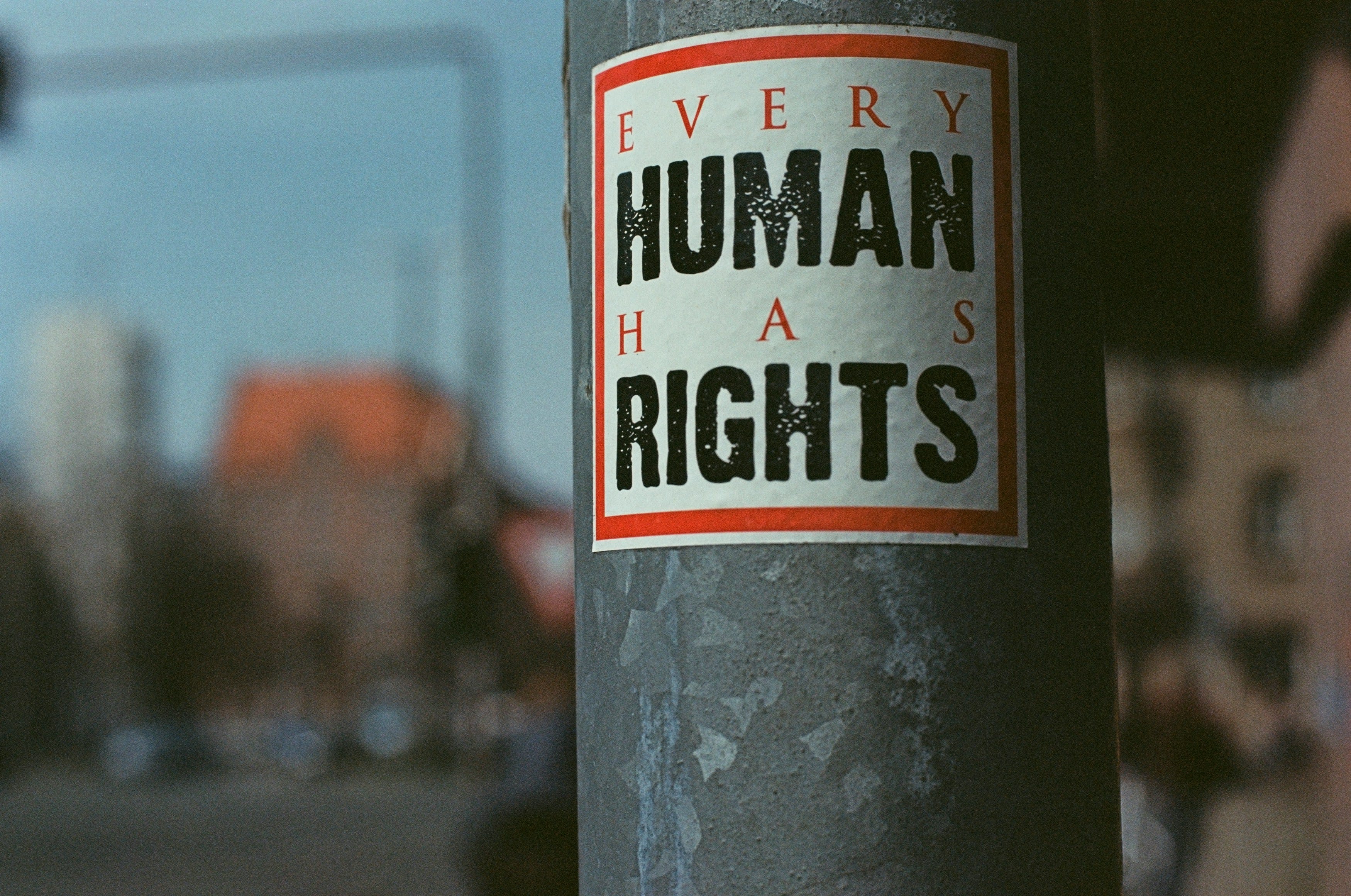
One example that’s giving me hope this week is the small town of Hutchins near Dallas, Texas. News broke last week that ICE is planning to acquire a nearly 1 million square-foot warehouse to build a detention center to incarcerate up to 9,500 people (more than the city’s current population). But Hutchins is loudly protesting, “not on my watch.” The mayor and city council are united in their opposition to this idea, and the residents are coming out in force to share their concerns.
Hutchins is not alone in standing up against these ICE warehouses. Communities across the U.S. are standing up and pushing back at proposals for large-scale warehousing of human beings in their cities and towns. Residents from towns in Arizona, Oklahoma, Mississippi, Maryland, and New York have had similar pushback. Many of these citizens support the enforcement of immigration law, but they assert that this is not the way.
So this week I am taking notes from these small cities who are paying attention to the moves of empire and standing up to say, NO. Resisting empire requires us to do things that may make us uncomfortable, like go to a protest, speak at a city council meeting, or write letters to the editor of our local newspapers. But let’s not be like those idle idols that are lifeless, cold, and harmful.
Let’s use the God-breathed Spirit within us to bring life to the world around us.
You can read the sources for their data at these links: https://www.brennancenter.org/our-work/analysis-opinion/private-prison-companies-enormous-windfall-who-stands-gain-ice-expands / https://www.npr.org/2026/01/21/nx-s1-5674887/ice-budget-funding-congress-trump / https://prospect.org/2025/12/10/for-profit-school-opening-in-for-profit-ice-family-prison/