

There’s been a small voice whispering in my spirit for the past few years, saying, “go small.” At first I resisted the voice. I cannot say for sure whether ambition or perfectionism are the root cause, but there has been a never-ceasing drive throughout my life to do more. Even as a young child, I felt a burning desire to do great things and change the world.
When I first began to feel that nudge to “go small,” I thought what I was experiencing was simply burnout. That was partially true, but as I’ve heeded the voice time after time, I have found a deeper wisdom in the invitation. A call toward experiencing true rest and flourishing.
When I look back on the ways that I have learned to go smaller and be content with less, I feel like God was preparing me in a way for the season that I am in now. I look out at the world with its big, wide problems, and I know I cannot save it. There is no magical spell to bring peace. So instead of driving myself crazy trying to save the world, I go small. I look at my family, my church, my friends, and my town and I think about how to ease burdens and show love realistically and practically today in the space I occupy. I talk to others in this space to brainstorm how we can join our small efforts and see what ripples could emerge.
I’m currently reading an advance copy of Kevin Nye’s forthcoming book, Hope for the Mission: Getting it Right in the Call to End Homelessness.1 One of the individuals that he interviewed for the book reflects on how often churches try to do ambitious projects that ultimately fizzle out, but then others do small projects that are very intentional and relational, which often end up creating significant changes in a community over time. Some of the housing initiatives that they mention in the book give a great example of “going smaller” and focusing on serving a small number of people really well, rather than pursuing large numbers.
This also reminds me of the food pantry where I’ve been volunteering in recent months. They use a market model, where guests are given a shopping cart and are accompanied by personal shoppers who guide them through the market to help them fill their grocery bags and load their selections in their cars. This model is slower than most food pantries, and we get through 25-30 households in a shift rather than passing out pre-made bags to hundreds like I’ve done in the past. There is certainly room for both of these models of serving, as small pantries like this could never meet the needs of everyone in need of these services. But there is something really special about taking the time to look someone in the eye, hold a conversation, and learn a little bit about each other rather than simply handing them a bag that looks just like everyone else’s and contains no reflection of their preferences. There’s something to be said about talking about recipes and sharing about our families or our favorite meals as we shop together for a few minutes. In those moments, we are meeting not just a need for food but also the need for human connection and the need to be seen by another. These small moments of seeing and connecting is how we survive and thrive.

In our reading through Psalms, I was particularly struck by Psalm 113, which is labeled in the NASB, “The Lord Exalts the Humble.” The psalm ends with these lines:
Who is like the Lord our God,
Who is enthroned on high,
Who looks far down to
The heavens and the earth?
He raises the poor from the dust,
He lifts the needy from the garbage heap,
To seat them with noblemen,
With the noblemen of His people.
He has the infertile woman live in the house
As a joyful mother of children.
Praise the Lord!
-Psalm 113:5-9
I wonder if Mary was thinking of this Psalm when the Magnificat sprang from her lips.
It calls to mind the beauty of the incarnation, God with Us, as the psalmist envisions an enthroned God who cares enough to look down and see us in the dust and dirt. A God who can see past the noblemen to those who occupy the garbage heap, and then reaches down to lift them out of the muck. A God whose own image is reflected in every person. A God who was not ashamed to go small for us.
So when we are tempted to give up due to the enormity of the world’s problems, maybe we can draw strength from Jesus’s example, and instead of trying to “go big,” we simply “go small.” We choose to see the people in front of us and remain willing to be interrupted by their needs.
Is there someone that you can provide with groceries this week?
Is there someone that you could call or visit, who needs encouragement or a kind presence?
Do you have 5 minutes to call an elected official for the good of your community?
Could you write a letter to your local newspaper editor that calls readers towards greater love?
Could you host a book club (or maybe even join an existing one!) with a friend or two to discuss ways that you all could grow in compassion towards people that you may not understand?
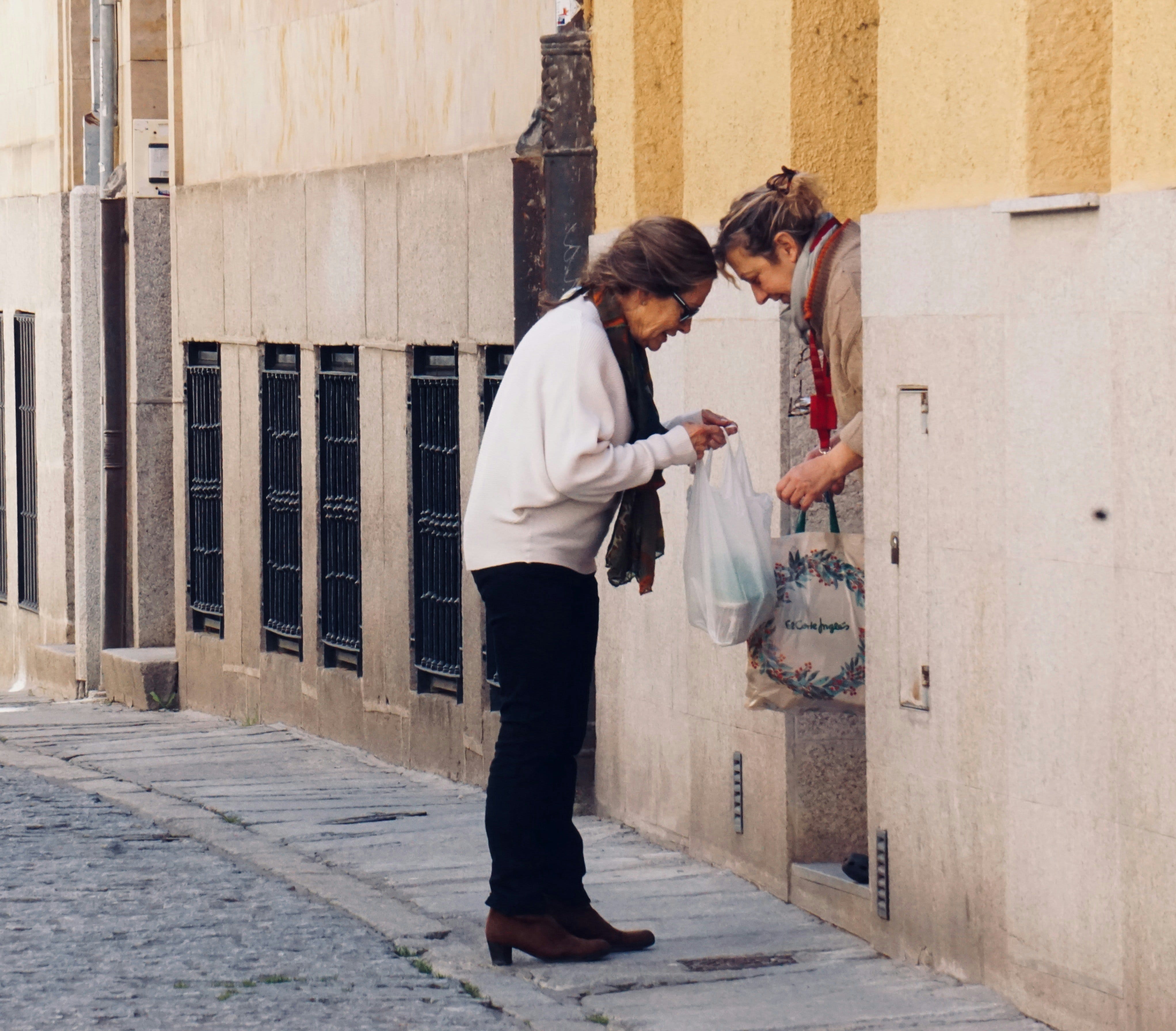
When we look at big problems, we can feel overwhelmed and tend toward despair. But when we each take on something small in our own little corner, perhaps some of the big problems will go smaller, too.
“Do small things with great love.” - attributed to Mother Teresa
It will be available in a few weeks, and you can preorder it now!